Wordle and The New York Times: A Cultural Phenomenon and Its Implications
Wordle, the simple daily word-guessing game created by Josh Wardle in 2021, quickly became a global phenomenon. In January 2022 The New York Times (NYT) acquired Wordle, bringing the game into the mainstream media fold. This article examines Wordle’s appeal, the implications of the Wordle NYT acquisition, and the broader cultural, commercial, and ethical considerations surrounding the game.
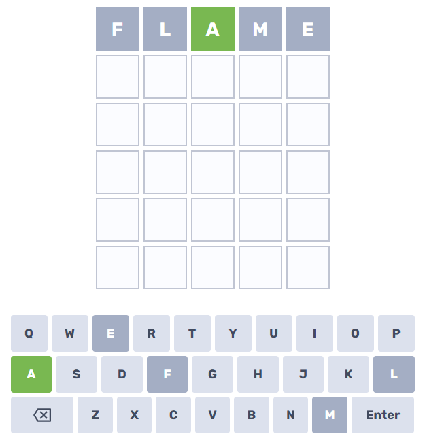
What made Wordle popular
Simplicity and accessibility: Wordle’s rules are straightforward—guess a five-letter word in six tries—with immediate color-coded feedback. No sign-up, no ads, and a single puzzle per day lowered friction and encouraged daily engagement.
Social sharing: The game’s built-in share grid, which communicates performance without spoilers, fueled viral sharing on social media and created a shared daily ritual.
Cognitive satisfaction: Wordle blends pattern recognition, vocabulary, and deduction, delivering rewards through insight and incremental progress. The once-a-day format prevented burnout and made each puzzle feel like a communal event.
Timing and novelty: Released during pandemic-era isolation, Wordle offered lightweight social connection and routine, which amplified its cultural impact.
The New York Times acquisition: motivations and effects
Strategic expansion: For the NYT, which has emphasized subscription growth and digital products, Wordle offered strong user engagement, potential subscriber funneling, and brand cachet with a younger audience.
Preservation vs. monetization: The NYT pledged to keep Wordle free and accessible. Still, integrating it into the NYT Games ecosystem positioned Wordle alongside crosswords and other paid offerings, raising questions about future monetization and platform control.
Operational changes: Following acquisition, the NYT introduced features (e.g., randomized puzzle order for subscribers, game archiving) and integrated Wordle into its infrastructure—changes welcomed by some but criticized by users who feared loss of the original’s lightweight ethos.
Cultural and social impact
Shared ritual and identity: Wordle became a daily social touchpoint—friends, families, and coworkers compare results, sparking conversation and friendly competition.
Language awareness: The game stimulated interest in vocabulary and wordplay, sometimes prompting reflection on regional spellings, uncommon words, and lexical diversity.
Accessibility and equity: While largely inclusive, Wordle’s reliance on five-letter English words privileges native speakers and specific cultural vocabularies; localization and alternative versions attempt to address this gap.
Criticisms and counterarguments
Monotony and elitism: Critics argue daily Wordle can become a shallow status symbol—public sharing can reinforce elitist displays of linguistic prowess. Counterpoint: many players enjoy it purely for fun, not signaling.
Platform concentration: The NYT acquisition exemplifies how cultural artifacts can be absorbed by large institutions, potentially limiting.